Understanding Containerized Wastewater Treatment Systems
In today's world, effective wastewater management is more important than ever, driven by increasing environmental regulations and the need for sustainable practices. Containerized wastewater treatment systems represent a practical solution, offering versatility and efficiency in processing a variety of wastewater types. From residential applications to complex industrial scenarios, these systems are designed to address diverse water treatment challenges. As industries evolve, so do the technologies available for handling wastewater. Notably, Wastewater Treatment System Manufacturers are at the forefront, providing innovative solutions tailored for specific needs.
What are Containerized Wastewater Treatment Systems?
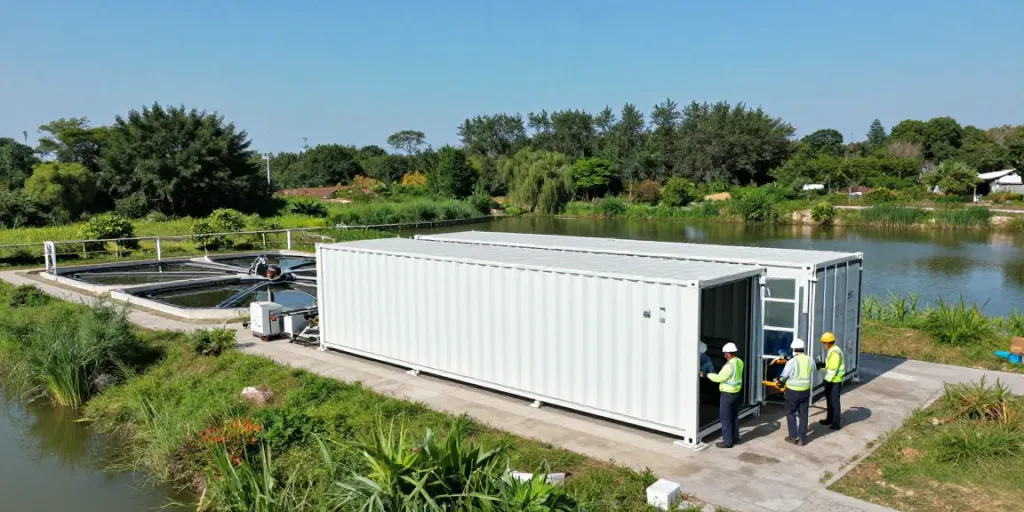
Containerized wastewater treatment systems are modular units housed within standard shipping containers. These systems are engineered to treat various types of wastewater, including domestic sewage, industrial effluent, and other types of contaminated water. Constructed to be fully integrated and pre-engineered, they allow for rapid deployment and easy installation, making them an ideal choice for temporary or remote applications. Typically measuring 20 or 40 feet in length, these containers not only simplify logistics but also enhance operational flexibility by providing a compact solution that meets stringent environmental standards.
Key Components of Containerized Systems
The efficiency of containerized wastewater treatment systems lies in their well-defined components. Key elements include:
- Pre-treatment Units: These are designed to remove large solids and grit from wastewater before it enters the main treatment phases.
- Biological Treatment Processes: Involves utilizing microbial action to break down organic matter in the water.
- Filtration Units: Essential for removing suspended particles and improving water clarity.
- Disinfection Systems: Technologies such as UV treatment or chlorination are employed to eliminate pathogens, ensuring that treated water meets health standards.
- Control Systems: Automated systems monitor and manage the treatment processes, enabling efficient operation and data collection.
Benefits of Modular Design in Water Treatment
The modular design of containerized systems offers several advantages that enhance their utility for operators:
- Scalability: Systems can be easily expanded or reduced in size based on the demand or specific project requirements.
- Cost-Effectiveness: Modular systems reduce initial capital investment and operational costs due to their efficient use of space and resources.
- Reduced Installation Time: Pre-assembled units can often be installed and operational within just a few days.
- Mobility: The ability to relocate systems quickly makes them ideal for temporary projects or sites with shifting needs.
Advantages of Choosing Containerized Solutions
Rapid Deployment and Flexibility
One of the most significant advantages of containerized wastewater treatment systems is their rapid deployment ability. These systems can be transported and set up within a short timeframe, often requiring just a flatbed truck and a crane for installation. This flexibility allows operators to respond quickly to changing circumstances, including emergency situations or temporary projects that require effective wastewater management without lengthy delays.
Cost-Effectiveness and Maintenance
Containerized systems are not only cost-effective to purchase but also economical to operate and maintain. Their modular design minimizes the need for extensive civil works and reduces installation costs. Regular maintenance is simplified due to the system's accessibility and compact layout, which can lead to lower overall operating costs.
Regulatory Compliance and Environmental Standards
With growing environmental regulations, it is crucial for wastewater treatment systems to meet local and international standards. Containerized solutions are designed with compliance in mind, incorporating technologies that ensure treated effluent meets required quality parameters. This adherence to regulations not only protects ecosystems but also ensures that industries can operate without facing legal repercussions.
Applications Across Industries
Domestic Sewage Solutions
Containerized wastewater treatment systems are particularly beneficial in domestic applications. They provide effective solutions for communities lacking infrastructure or in areas where traditional treatment methods are not feasible. By utilizing these systems, municipalities can manage sewage efficiently and improve public health standards.
Industrial Effluent Treatment
Industries generate wastewater that often contains harmful contaminants. Containerized systems are equipped to handle complex industrial effluents, providing tailored treatment solutions that cater to specific industrial processes. This capability helps industries comply with regulatory requirements, protecting both human health and the environment.
Portable Solutions for Remote Locations
In remote areas or during natural disasters, conventional wastewater management systems may not be accessible. Containerized wastewater treatment systems offer portable solutions that can be deployed quickly to provide essential services in those locations. Their transportability makes them ideal for construction sites, mining operations, and disaster relief efforts.
Evaluating Companies: What to Look For
Reputation and Experience in the Field
When selecting a wastewater treatment system manufacturer, evaluating their reputation is essential. Look for companies with a proven track record, industry certifications, and strong customer testimonials. Experience in handling various wastewater types will indicate a manufacturer's ability to provide effective solutions tailored to your needs.
Technological Innovations and Custom Solutions
As technology evolves, so do the capabilities of wastewater treatment systems. Companies that invest in research and development are likely to offer innovative solutions that enhance treatment efficiency and eco-friendly practices. Customizable systems can also meet specific operational requirements, providing added value.
Customer Support and Service Offerings
Excellent customer support is vital for ensuring the smooth operation of wastewater treatment systems. Look for manufacturers that provide comprehensive service offerings, including installation, training, and ongoing technical support. This support can significantly enhance system performance and minimize downtime.
Future Trends in Wastewater Treatment Systems
Technological Advances and Smart Water Solutions
The future of wastewater treatment is being shaped by technological innovations. Smart water solutions, which incorporate IoT technologies and data analytics, are being developed to optimize treatment processes and monitor system performance in real-time. These advancements will enable more efficient water management and reduce operational costs further.
Sustainability and Eco-Friendly Practices
As environmental awareness increases, the demand for sustainable wastewater treatment solutions will continue to grow. Manufacturers will be expected to implement eco-friendly practices in their systems, such as energy-efficient operations, waste-to-energy options, and the use of renewable energy sources to power treatment plants.
Anticipated Market Growth and Industry Changes in 2026
The wastewater treatment market is projected to experience significant growth by 2026. Increasing industrialization, urbanization, and stricter environmental regulations are driving demand for effective wastewater treatment solutions. Companies that adapt to these changes and innovate will thrive in this evolving landscape.
What are the top manufacturers for wastewater treatment systems?
Numerous manufacturers are recognized as leaders in the wastewater treatment industry. Companies such as Veolia, SUEZ, and Xylem Inc. are known for their innovative solutions and comprehensive service offerings, which address the diverse needs of various sectors.
How do containerized systems compare to traditional setups?
Containerized systems provide several advantages over traditional setups, including quicker installation, reduced space requirements, and enhanced flexibility. They are particularly beneficial in temporary applications or areas where conventional treatment facilities cannot be constructed.
What are the main benefits of using modular wastewater treatment systems?
Modular wastewater treatment systems offer scalability, cost-effectiveness, and reliability. Their design allows for easy upgrades and maintenance, ensuring that facilities can adapt to changes in demand without extensive downtime or costs.
Which industries benefit most from wastewater treatment solutions?
Many industries benefit from wastewater treatment solutions, including municipal services, manufacturing, food processing, and energy production. Each sector has unique regulatory requirements and contamination challenges that specialized systems can address.
How can I ensure compliance with wastewater regulations?
To ensure compliance, it is essential to select a reputable manufacturer that understands the regulatory environment in your area. Regular monitoring, performance testing, and adherence to local and national standards will also aid in maintaining compliance.