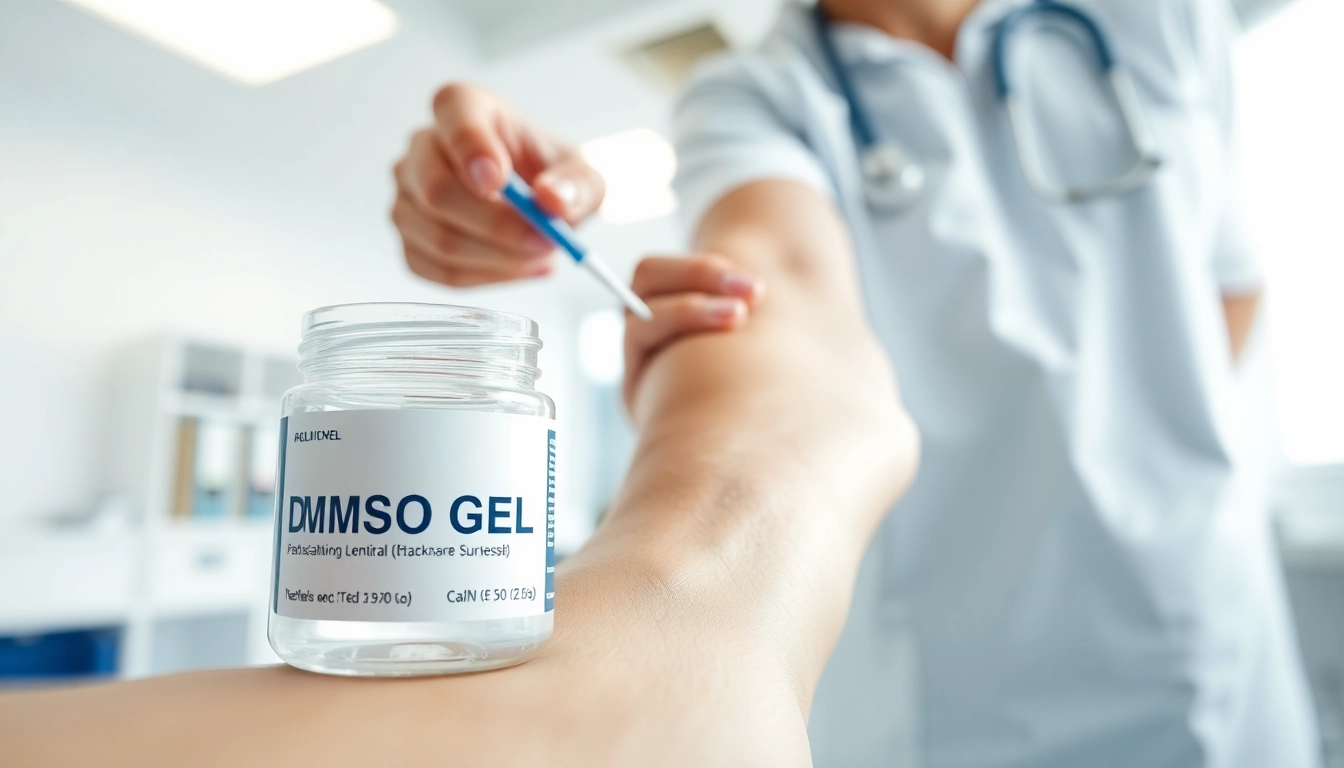
What is DMSO Gel?
Understanding DMSO
Dimethyl Sulfoxide (DMSO) is a byproduct of wood pulp processing. It's a colorless, oily liquid that has gained attention due to its unique properties. DMSO is a potent solvent that easily penetrates biological membranes, making it an effective carrier of other compounds. Originally developed for industrial uses, it has found its way into the medical field thanks to its therapeutic potential, especially in treating pain and inflammation.
The Chemical Composition of DMSO Gel
DMSO gel incorporates this versatile compound in a gel form, usually combined with water and other stabilizers to enhance its application and absorption properties. The gel's formula allows for easier handling and targeted delivery to the affected area, making it particularly popular in topical applications where precise dosing is important.
History and Development of DMSO Gel
DMSO was first discovered in the 19th century, but its medical applications emerged much later. By the 1960s, researchers identified its potential for pain relief and as an anti-inflammatory agent, triggering interest in developing various formulations including gels. Over the years, numerous studies have been conducted, further validating its efficacy in treating conditions like arthritis and other inflammatory disorders.
Benefits of Using DMSO Gel
Pain Relief Applications
DMSO gel is widely recognized for its ability to alleviate pain. This can include acute injuries, chronic conditions like arthritis, or even minor aches. Many individuals report significant relief after applying the gel directly to the painful area, thanks to DMSO’s ability to penetrate the skin quickly and effectively deliver relief. It's especially favored in sports medicine for managing strains and sprains.
Anti-Inflammatory Properties
Beyond pain relief, DMSO has substantial anti-inflammatory properties. Its use can decrease swelling and inflammation, making it valuable for conditions like tendonitis and bursitis. Clinical studies support this, indicating that DMSO can inhibit certain enzymes and pathways responsible for inflammation, thereby promoting faster recovery.
Versatile Uses in Healthcare
DMSO gel’s versatility extends beyond pain and inflammation management. It's being explored for its potential to enhance the absorption of other medications when applied topically. This property can be particularly helpful in delivering topical steroids or other analgesics directly where needed. Additionally, it has applications in veterinary medicine for treating animals suffering from joint pain or inflammation.
How to Apply DMSO Gel Safely
Preparation Before Application
Before applying DMSO gel, it's crucial to clean the affected area thoroughly. This ensures that no foreign substances interfere with the absorption of the gel. Avoid any lotions or oils that might hinder DMSO’s penetrative abilities. Furthermore, ensure that your hands are clean as well; any contaminants can be absorbed through the skin along with the DMSO.
Best Practices for Application
Apply a thin layer of DMSO gel directly onto the affected area and gently massage it into the skin. It's recommended to use gloves when applying the gel to minimize skin exposure, especially for those sensitive to DMSO. Following application, allow the gel to dry before covering the area with clothing to promote absorption.
Post-Application Care Tips
After applying DMSO gel, avoid exposure to hot water or direct sunlight on the treated area for at least a few hours. This helps the substance to work effectively while minimizing any potential adverse reactions. If you experience any irritation, discontinue use immediately and consult a healthcare professional.
Potential Side Effects of DMSO Gel
Common Adverse Reactions
While DMSO gel is generally well-tolerated, some users may experience side effects such as skin irritation, dryness, or unusual odors. Due to its potent solvent properties, it can also carry unwanted chemicals into your body. It’s crucial to be cautious and only use high-quality DMSO gel from reputable sources.
Long-Term Use Considerations
Long-term use of DMSO gel should be monitored by a healthcare provider, especially since its effects on sensitive skin or underlying health conditions are not completely understood. Extended use may result in unintended interactions with other medications or compounded side effects.
When to Seek Medical Advice
If you experience adverse reactions such as severe irritation, burning sensations, or symptoms indicative of allergic reactions (such as rash or swelling), seek medical attention promptly. Always consult with a healthcare professional before starting any new treatment regimen.
Frequently Asked Questions About DMSO Gel
What is DMSO gel used for?
DMSO gel is primarily used for pain relief and reducing inflammation. It can be beneficial for conditions like arthritis and other joint ailments.
Can DMSO gel be applied to broken skin?
It's advised not to apply DMSO gel to broken or compromised skin, as it can carry bacteria and impurities into the bloodstream.
Is DMSO gel safe for pets?
DMSO gel can be used in veterinary settings, particularly for horses and dogs. However, consult a veterinarian before use.
How does DMSO gel affect drug absorption?
DMSO gel can enhance the skin's permeability, potentially increasing the absorption of topical medications when used in conjunction.
Where to buy high-quality DMSO gel?
You can purchase high-quality dmso gel from reputable suppliers and health stores that specialize in supplements and topical treatments.