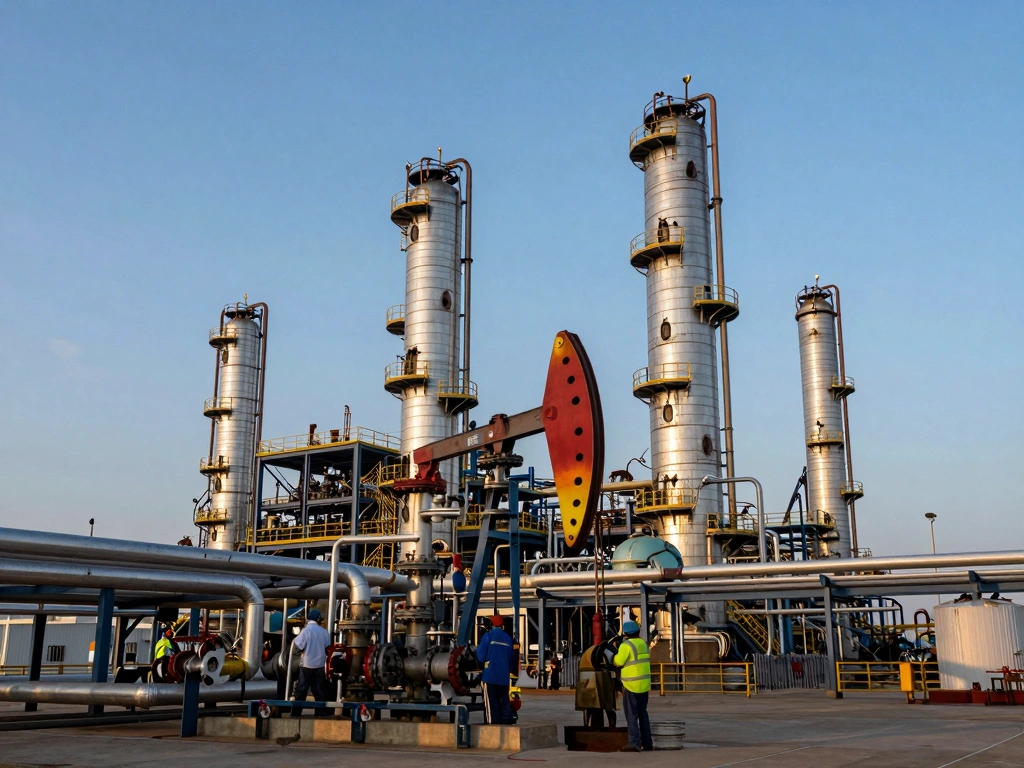
What is CRN Registration?
The Basics of CRN Registration
The Canadian Registration Number (CRN) is a unique identifier assigned to various pressure vessels and systems in Canada, ensuring they meet safety and regulatory standards. This number signifies that the design of a pressure vessel, piping system, or fitting has been thoroughly reviewed and approved by the relevant provincial safety authority. Each province or territory issues CRNs, reflecting their specific regulations and compliance requirements, which emphasizes the importance of understanding the CRN Registration process if you're working within this sector.
Importance of CRN Registration in Canada
The significance of CRN Registration transcends mere compliance; it serves a critical role in maintaining safety in industries that utilize boilers, pressure vessels, and related equipment. In Canada, the regulatory landscape is stringent, and obtaining a CRN ensures that manufacturers, fabricators, and engineers operate within a legal framework. CRN Registration not only enhances public safety but also fosters trust among stakeholders, including engineers, manufacturers, and end-users of pressure equipment.
Who Issues CRN Registration?
CRN Registration is issued by provincial safety authorities across Canada. Each authority evaluates the design, materials, and intended use of pressure vessels and systems. This decentralized approach aligns with the governance of safety regulations tailored to the specific requirements of each province. For example, the Technical Standards and Safety Authority (TSSA) in Ontario and the Alberta Boilers Safety Association (ABSA) in Alberta oversee CRN registrations, emphasizing their role in regional safety protocols.
CRN Registration Process
Steps to Obtain Your CRN Registration
Acquiring a CRN is a systematic process that involves several key steps:
- Design Preparation: Engage qualified engineers to create detailed designs, ensuring compliance with Canadian standards.
- Documentation Compilation: Gather necessary documentation, including design calculations, specifications, and drawings relevant to the pressure vessel.
- Submission to Authority: Submit your application along with supporting documents to the appropriate provincial safety authority for review.
- Review Process: The authority will assess the application against safety standards, which may include inspections and additional consultations.
- CRN Issuance: Once approved, the authority issues the CRN, allowing the design to proceed to manufacture.
Required Documentation for CRN Registration
Integral to the CRN application process, specific documents must be submitted for consideration:
- Design drawings detailing dimensions, materials, and specifications.
- Engineering calculations proving that the design meets safety standards.
- Manufacturing processes descriptions, including material sourcing and technology used.
- Test reports from certified laboratories, if applicable.
- Proof that the design is consistent with relevant codes, such as the ASME Boiler and Pressure Vessel Code.
Common Mistakes to Avoid
When applying for a CRN, several pitfalls can delay or derail the registration process:
- Insufficient documentation: Always ensure that all necessary documents are complete and align with the application requirements.
- Poor design clarity: Design documents should be clear and detailed to prevent misinterpretation.
- Neglecting provincial specificities: Each province has unique regulations; ensure compliance with local requirements.
- Inaccurate calculations: All engineering calculations must be checked rigorously to avoid errors that could lead to application rejection.
Benefits of CRN Registration
Safety and Compliance Advantages
Obtaining a CRN significantly enhances safety in manufacturing and operation environments. CRN Registration demonstrates that equipment complies with the relevant safety standards, reducing the risk of accidents related to pressure vessel failures. Furthermore, it provides a structured pathway to addressing any issues that may arise during inspections or audits, safeguarding businesses against potential liabilities and legal challenges.
Legal Implications of CRN Registration
From a legal standpoint, having a CRN is vital for operating within the bounds of the law. Failure to secure a CRN can lead to substantial fines, operational shutdowns, and legal consequences, as operating unregistered pressure vessels is prohibited. Being registered protects companies from punitive actions and enhances their credibility with clients, regulatory bodies, and insurance companies.
Market Benefits for Registered Equipment
On the market front, equipment bearing a CRN is often more attractive to clients who prioritize safety and compliance in their procurement processes. Registered equipment is recognized as meeting high safety standards, which can create competitive advantages for manufacturers. Additionally, CRN-registered products can typically command better pricing and increased market opportunities across various sectors, such as oil and gas, petrochemicals, and manufacturing.
Challenges in CRN Registration
Technical Barriers in the Registration Process
While CRN Registration brings many benefits, the process also presents challenges. Technical barriers often arise during the preparation of designs, especially for complex systems that require innovative engineering solutions. Applicants must invest sufficient time and resources in research and development to ensure that designs comply with current safety regulations.
Understanding Provincial Variations
Given that CRN Registration is managed at the provincial level, navigating the various regulations can be daunting. Businesses must stay informed about the specifics of each provincial authority, as requirements may differ significantly in documentation, testing, and approval processes. This can necessitate hiring experts familiar with the regulatory landscape in multiple jurisdictions.
Addressing Common CRN Registration Challenges
Overcoming these challenges requires a strategic approach:
- Engaging experienced engineers who understand local regulations and requirements.
- Investing in robust design review processes to ensure all aspects of the application are addressed.
- Developing relationships with provincial authorities, allowing for guidance and clarification throughout the registration process.
- Continuous monitoring of regulatory changes that may affect CRN status and requirements.
Future Trends in CRN Registration
Technological Innovations Impacting CRN Registration
As technology evolves, so too does the landscape of CRN Registration. Innovations such as computer-aided design (CAD), advanced simulation tools, and artificial intelligence (AI) are streamlining the engineering and submission processes. These technologies enable more accurate designs and facilitate quicker review times, ultimately expediting the entire CRN application process.
Regulatory Changes to Expect
The regulatory environment surrounding pressure vessels is always changing. As industries shift towards greater sustainability and efficiency, authorities may implement updated guidelines that reflect these priorities. Staying abreast of these changes is crucial for businesses to maintain compliance and leverage new opportunities in the marketplace.
Best Practices for Future CRN Registrations
To navigate future developments in CRN Registration successfully, consider the following best practices:
- Establish a dedicated team focused on compliance and regulatory updates.
- Implement continuous training programs for staff on the importance of CRN and safety regulations.
- Adopt innovative technologies that enhance design accuracy and submission efficiency.
- Engage proactively with regulatory bodies to foster relationships for smoother registration processes.
Frequently Asked Questions
1. What is the purpose of CRN Registration?
CRN Registration ensures that pressure vessels and related equipment comply with safety standards, enhancing public safety and legal compliance.
2. How long does the CRN Registration process take?
The duration may vary based on the complexity of the design and the provincial authority's review time, typically ranging from a few weeks to several months.
3. Can I apply for CRN Registration online?
Many provincial authorities offer online submission portals; however, specific requirements may vary by province, so check local regulations.
4. What happens if my CRN application is denied?
If denied, applicants usually receive feedback on areas needing improvement, allowing for modifications before resubmitting for approval.
5. Are there costs associated with CRN Registration?
Yes, costs can include application fees, design preparation expenses, and potential testing fees, depending on the province and requirements.