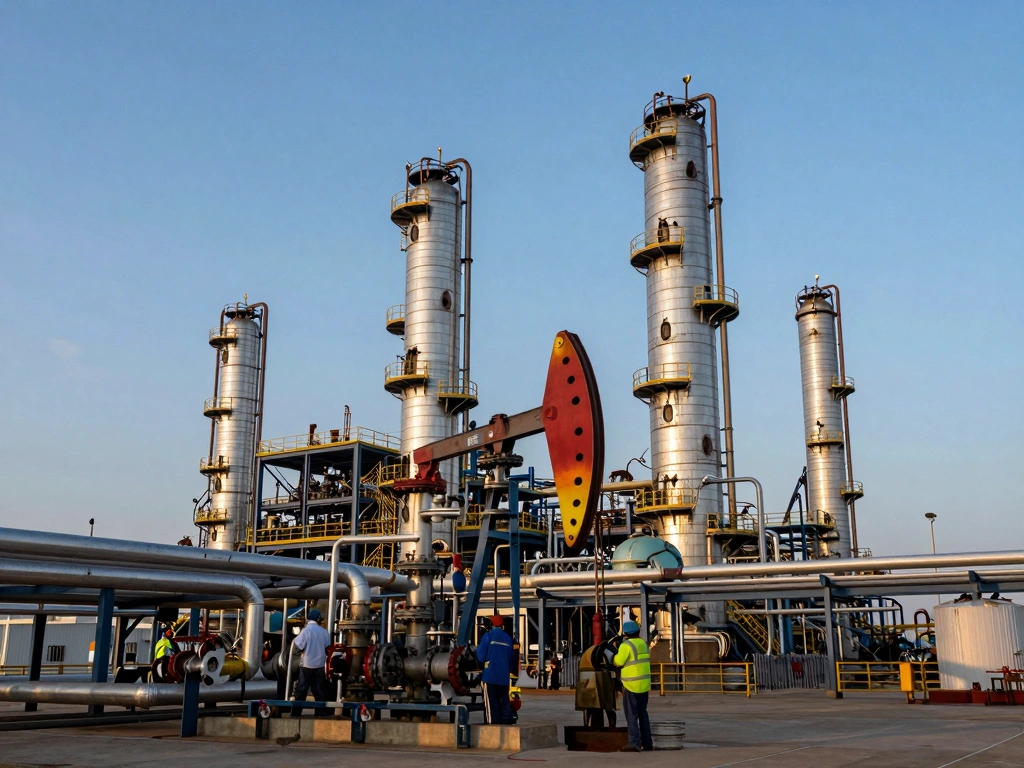
What is CRN Registration?
Definition and Purpose
The Canadian Registration Number (CRN) is a unique identifier issued by provincial safety authorities in Canada, signifying that the design of a pressure vessel, piping system, or fitting has met the required safety standards and regulations. The CRN plays a crucial role in ensuring the safety and reliability of various engineering applications, particularly in industrial environments where pressure vessels are integral. With proper CRN Registration, manufacturers can assure customers that their products are designed and fabricated in compliance with national safety codes.
Importance in Engineering
CRN Registration is essential in the engineering and manufacturing sectors because it ensures adherence to safety regulations. Engineers and manufacturers must navigate the complexities of Canadian regulatory frameworks, which can vary significantly by province. Knowing that a product has a CRN gives clients peace of mind, as it confirms that the product has been evaluated and deemed safe for use. This not only protects the users but also protects the manufacturers from potential liability issues, enhancing corporate reputation and marketability.
How CRN Registration Works
CRN Registration involves a formal application process where the design of the equipment is submitted to the relevant provincial authority. This process examines factors such as design integrity, material properties, and adherence to local regulations. Once the assessment is completed, and if the design meets all requirements, a unique CRN is issued. This number must be displayed on the equipment to confirm compliance with safety standards, making the registration process a vital element of operational integrity and safety protocols.
Steps to Obtain CRN Registration
Gathering Required Documents
Before beginning the application process, manufacturers or engineers must gather a range of documents. Essential documents typically include:
- Detailed design drawings.
- Material specifications and certifications.
- Calculation sheets for stress, load, and thickness assessments.
- Experience reports or last audit results of previous submissions.
Ensuring all documents are complete and accurate is crucial for a smooth application process.
Application Process
The CRN application process varies by province, but generally follows these steps:
- Submit the application form along with required documents to the provincial safety authority.
- Pay any applicable fees associated with the submission.
- Engage in any follow-up communications to clarify document requirements or address queries from the authority.
- Receive confirmation of registration upon successful approval of the design.
This process can sometimes take weeks or months, depending on the complexity of the design and the province's workload.
Common Challenges
Despite the straightforward nature of the CRN registration process, applicants may encounter several challenges:
- Incomplete Documentation: Various safety authorities require specific documents, and missing any may lead to delays.
- Design Adjustments: Authorities may request modifications to designs that do not fully adhere to regulations.
- Long Approval Times: Depending on the authority's workload, the review and approval process can be extensive.
Addressing these challenges proactively can help mitigate delays and secure a successful application.
CRN Registration Requirements by Province
Overview of Provincial Regulations
Each Canadian province operates its own regulatory environment concerning CRN Registration. While there are commonalities across jurisdictions, unique requirements exist that users must understand:
- In British Columbia, the British Columbia Safety Authority governs applying regulations.
- Alberta utilizes the Alberta Boilers Safety Association (ABSA) for oversight.
- Ontario's requirements are administered by the Technical Standards and Safety Authority (TSSA).
Understanding these regulations helps organizations tailor their submissions to align with expectations in their respective provinces.
Specific Documentation Needed
The documentation required for CRN registration may differ across provinces, including:
- Design calculations and analysis reports.
- Test results and certifications from recognized testing agencies.
- Quality assurance and quality control plans.
Be sure to consult the specific provincial guidelines to ensure compliance with local demands.
Variations Across Provinces
Users must be aware of the nuances in provincial regulations. Some key differences include:
- Approval times may vary by province, impacting project timelines.
- Certain documentation may not be required in some provinces while necessary in others.
- Some jurisdictions may impose stricter safety codes based on regional requirements.
Awareness of these variations is critical to a successful CRN registration process.
Maintaining Your CRN Registration
Renewal Process Explained
CRN registrations are not permanent and require periodic renewal to remain valid. The renewal process generally involves:
- Reviewing current regulations to ensure continued compliance.
- Submitting a renewal application, along with any updated documentation.
- Paying designated renewal fees.
- Avoiding the expiration of the existing CRN during the renewal process to maintain operational integrity.
Staying ahead of the renewal timeline is essential to avoid lapses in registration.
Updating Your Registration
Changes in design or modifications to equipment necessitate an update to the CRN registration. The steps include:
- Documenting all changes comprehensively.
- Submitting an application for an updated CRN, along with modified designs or technical data.
- Ensuring all previous records align with the new information to facilitate smoother processing.
Being thorough in documentation makes updating registrations more efficient.
Handling Compliance Issues
Non-compliance can result in severe penalties, including fines and restrictions on operating licenses. To proactively manage compliance issues:
- Conduct regular audits of equipment and operational processes.
- Implement a robust training program for staff regarding compliance.
- Establish a direct line of communication with provincial regulators to stay updated on changing regulations.
Proactive compliance management contributes to organizational integrity and safety.
Frequently Asked Questions about CRN Registration
What factors influence CRN Registration costs?
CRN Registration costs can vary based on the complexity of the design, the required documentation, and any local fees imposed by the provincial authority.
Can I register my CRN online?
Some provinces offer online registration options through their official websites, making the application process more accessible and efficient.
What happens if I miss my renewal deadline?
Missing a renewal deadline can lead to registration lapses, resulting in potential penalties, and may require reapplication for a new CRN.
Are there penalties for non-compliance?
Yes, penalties may include fines, lawsuits, and the potential loss of the privilege to operate equipment, affecting business operations significantly.
Where can I find additional resources on CRN Registration?
Additional resources can typically be found on provincial safety authority websites or industry association platforms focused on engineering and safety standards.