Understanding Hair Straightening
What is Hair Straightening?
Hair straightening is a process that involves altering the natural texture of hair to achieve a smoother and sleeker appearance. This can be done using various methods and tools, from chemical treatments to heat-based styling tools. Each method varies in permanence, as some deliver long-lasting results while others offer temporary changes. For many, straightening serves not only cosmetic purposes but also enhances manageability and styling versatility.
Benefits of Hair Straightening
The benefits of hair straightening extend beyond aesthetics. Many individuals find that straightened hair is easier to style and manage, which can save significant time in their daily routines. Additionally, straightened hair often exhibits a polished look that can be more suitable for professional settings or formal occasions. Hair straightening can also reduce tangling and frizz, resulting in a smoother texture that maintains its appearance longer under various weather conditions.
Hair Types and Suitability
Understanding hair types is crucial for effective straightening. Individuals with straight or wavy hair generally experience fewer challenges with straightening, while those with curly or coily hair might need specific techniques or products to achieve their desired results. Hair texture, porosity, and thickness all play pivotal roles in determining the suitability of methods and products for hair straightening.
Tools for Hair Straightening
Essential Tools for Effective Hair Straightening
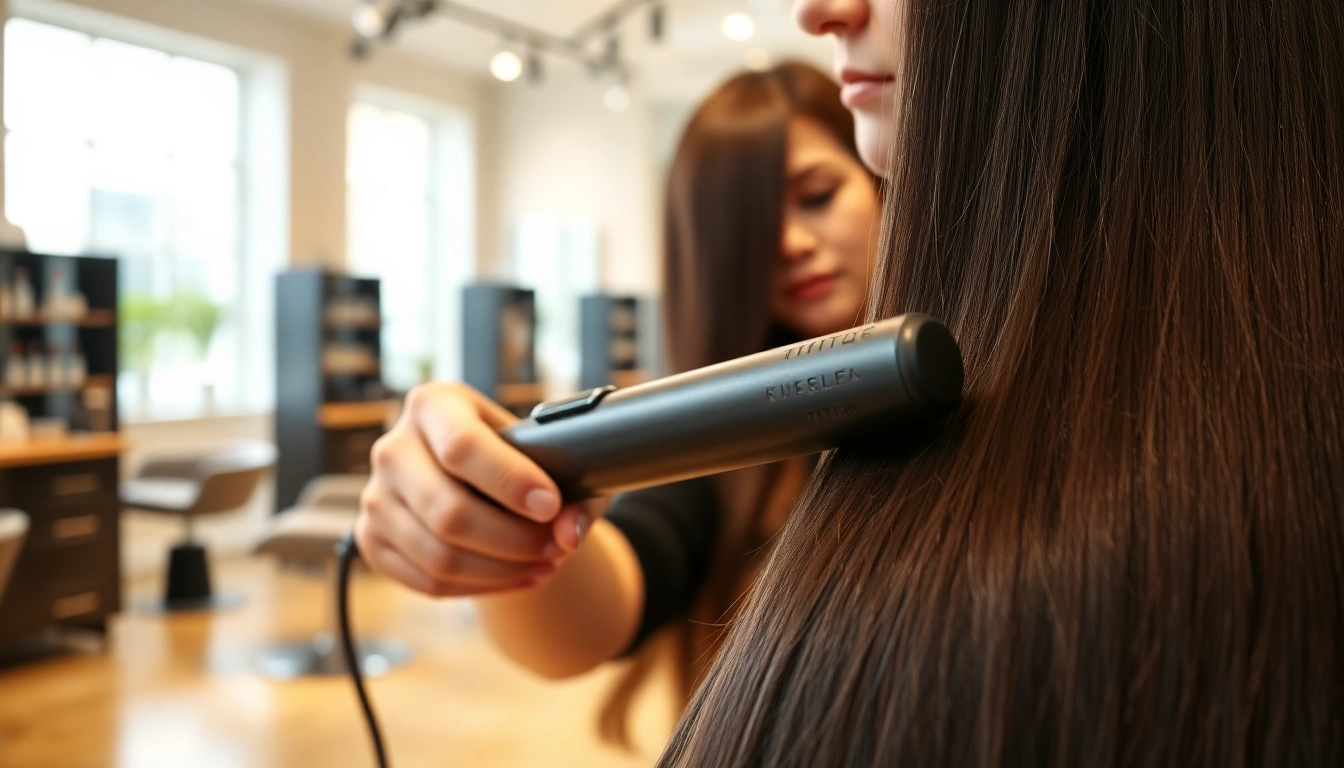
To achieve optimal results, it is essential to have the right tools at your disposal. The primary tool used for hair straightening is a flat iron, which utilizes heated plates to smooth the hair. Other useful tools include blow dryers with a concentrator nozzle, round brushes for styling, and heat protectant sprays to prevent damage. Quality tools can make a significant difference in achieving sleek results and maintaining hair health.
Choosing the Right Products
The right products are just as crucial as the tools themselves. A good heat protectant is vital to shield your hair from damage associated with high temperatures. Additionally, styling serums or creams that enhance smoothness and shine can further contribute to the effectiveness of hair straightening. Ingredients like argan oil, silicone, or keratin can help nourish hair, making it more resilient to styling tools.
Safety Precautions When Using Heat Tools
Using heat tools responsibly is vital for preserving hair health. Always ensure that the temperature setting on your flat iron is appropriate for your hair type; finer hairs may require lower settings, while thicker or curlier textures can often tolerate higher temperatures. It is also critical to apply a heat protectant product before styling, avoid using heat tools on damp hair, and give your hair regular breaks between straightening sessions.
Step-by-Step Hair Straightening Techniques
Preparing Your Hair for Straightening
Preparation plays a significant role in achieving flawless straightened hair. Begin by thoroughly washing and conditioning your hair with products that promote smoothness. After washing, gently towel-dry your hair to remove excess water but avoid vigorous rubbing, which can cause frizz. Detangle your hair using a wide-tooth comb or a brush designed for wet hair, as this helps to minimize breakage.
How to Use a Flat Iron Effectively
Using a flat iron effectively involves technique and practice. Start by dividing your hair into manageable sections to ensure even straightening. On each section, clamp the flat iron as close to the roots as possible (without touching your scalp) and slowly glide it down to the tips. Repeat this process as needed, but avoid going over the same section multiple times, as this can cause damage. It's essential to keep the iron moving to prevent burning the hair.
Alternative Techniques for Hair Straightening
Besides flat ironing, several alternative techniques can achieve straight hair. Blow drying with a round brush can provide volume and smoothness without the need for direct heat application from an iron. Another method is using a hair straightening brush, which combines the benefits of a brush and a flat iron, allowing for more straightforward styling. Chemical straightening treatments, such as keratin treatments or relaxers, offer long-term solutions for those seeking significant texture changes.
Maintaining Straightened Hair
Best Practices for Long-Lasting Results
To maintain straightened hair, it's essential to adopt routines that support longevity. Regularly applying a leave-in conditioner and avoiding excessive exposure to humidity can help retain your hairstyle. Additionally, wrapping your hair at night or using a silk scarf or pillowcase can protect your hair from friction while you sleep, resulting in less frizz and breakage.
Post-Straightening Hair Care Routine
Post-straightening care is critical to prolonging the sleek look of your hair. Use sulfate-free shampoos, as they are less likely to strip the hair of moisture and the effects of any straightening treatment. Regular deep conditioning treatments will help replenish hydration and keep the hair healthy. Incorporate weekly hair masks that are designed for nourishing and repairing heat-damaged hair.
Common Mistakes to Avoid
When straightening hair, several common mistakes can undermine the desired outcome. One frequent error is using heat tools on wet hair, which can lead to damage and ineffective styling. Additionally, applying heat protectant after styling is too late; it must be applied beforehand. Over-straightening sections, neglecting the health of the hair, and forgetting to clean tools can also lead to disappointing results.
FAQs about Hair Straightening
Is hair straightening safe for all hair types?
Hair straightening can be safe for most hair types, but it’s essential to choose the right method and products tailored to your specific hair conditions to minimize damage.
How often should I straighten my hair?
While it depends on your hair type and health, reducing heat styling frequency is generally advisable to allow your hair to recover, ideally straightening it only a few times a week.
Can I straighten my hair without heat?
Yes, you can straighten your hair without heat using techniques like wrapping, using braids, or employing specialized brushes and products designed to relax curls.
What products should I use before hair straightening?
Before straightening, always apply a heat protectant spray or serum, and consider using a smoothing cream to enhance your results and protect your hair from damage.
How do I prevent heat damage when straightening?
To prevent heat damage, use a heat protectant, keep tool temperatures appropriate for your hair type, don't use heat on wet hair, and give your hair breaks between styling sessions.