Understanding Bed Bugs and Their Impact
What Are Bed Bugs?
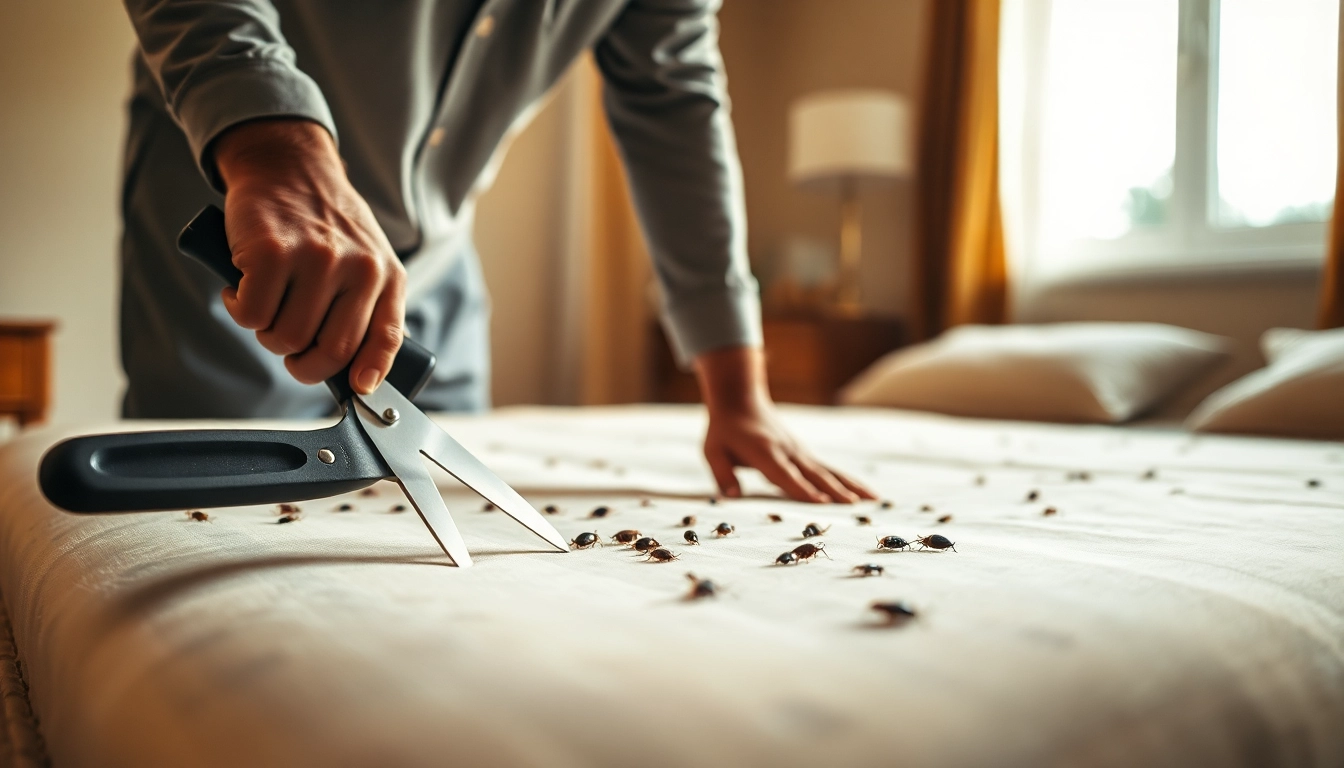
Bed bugs (Cimex lectularius) are small, oval insects that are known to feed on the blood of humans and animals. Adult bed bugs typically measure between 1/4 inch to 3/8 inch in length and are reddish-brown in color. These nocturnal pests tend to hide in crevices, furniture, and bedding during the day, emerging at night to seek food. Their ability to reproduce rapidly makes controlling them a significant challenge.
Bed Bug Behavior and Habits
Bed bugs are attracted to warmth and carbon dioxide emitted by sleeping hosts. They are most active during the night and can live for several months without feeding, making them resilient. Their behavior includes aggregation, meaning they often stay close to each other, which can exacerbate infestations. Understanding these habits is crucial for effective bed bug removal strategies.
Signs of a Bed Bug Infestation
Recognizing the signs of bed bugs is the first step in addressing an infestation. Common indicators include:
- Small, reddish-brown fecal spots on bedding or furniture.
- Molted bed bug skins, often found near hiding places.
- Visible bed bugs themselves, especially near seams and crevices of mattresses.
- Allergic reactions such as itchy welts from bites.
- Unpleasant, musty odors near infested areas caused by bed bug scent glands.
Preparation for Bed Bug Removal
Conducting a Thorough Inspection
Before initiating any removal procedures, a thorough inspection of the infested area is essential. Begin by checking common hiding spots, such as:
- Mattresses and box springs
- Bed frames and headboards
- Baseboards and electrical outlets
- Carpet edges, luggage, and clothing
Using a flashlight can help in spotting eggs and adult bed bugs. Identifying the extent of the infestation will guide the removal strategy.
Preparing Your Space for Treatment
Preparation is key to effective bed bug removal. This involves:
- Removing clutter from the affected room to allow easier access for treatment.
- Washing all bedding, linens, and clothing in hot water, followed by drying on high heat.
- Vacuuming the entire room and disposing of the vacuum bag immediately.
- To protect other areas, sealing cracks and crevices around doors and windows can prevent spreading.
Gathering Essential Tools and Supplies
Gathering the right tools and supplies is critical for both DIY and professional-grade bed bug removal. Consider obtaining:
- High-quality vacuum cleaner with a HEPA filter
- Bed bug-specific insecticides (if applicable)
- Steam cleaner for heat treatment
- Protective gear such as gloves and masks
In addition to these tools, having access to expert advice or professional services can improve the efficiency of your removal efforts.
Methods of Bed Bug Removal
Heat Treatment: Science Behind the Method
Heat treatment is one of the most effective methods for eliminating bed bugs. The science is straightforward: bed bugs die when exposed to temperatures of 120°F (49°C) or higher. Professional exterminators often use specialized equipment that can raise the room temperature to lethal levels, targeting even hidden bed bugs. This method is environmentally friendly and doesn't involve chemical exposure.
Chemical Treatments: Safe and Effective Options
Chemical treatments can also play a vital role in the removal of bed bugs. Insecticides that are approved for residential use should be chosen carefully to minimize health risks. Many products contain active ingredients such as pyrethroids or neonicotinoids, which are effective against bed bugs. However, always follow label instructions and consider less toxic options when available.
DIY Approaches: Pros and Cons
While professional extermination is often recommended for severe infestations, some homeowners may opt for DIY approaches. These can include:
- Utilizing diatomaceous earth, which can dehydrate and kill bed bugs when sprinkled in areas where they hide.
- Homemade traps using soap and water.
- Using encasements for mattresses to trap bed bugs and prevent them from biting.
While DIY methods can work for minor infestations, they can often lead to repeated problems if not executed correctly.
Post-Removal Procedures
Assessing Treatment Effectiveness
After undergoing bed bug removal, assessing the effectiveness of the treatment is necessary. Continue to monitor the previously infested areas for signs of bed bug activity. This can be done by checking for new bites, looking for fecal spots, or using interceptors placed under bed legs to catch any remaining bugs.
Ongoing Prevention Strategies
Ongoing prevention is crucial in avoiding future infestations. Some preventive measures include:
- Regularly inspecting and cleaning your living areas, particularly after traveling.
- Using protective mattress encasements that make it harder for bed bugs to access your bedding.
- Avoiding used furniture or thoroughly inspecting it before bringing it into your home.
- Educating family members about recognizing bed bug signs and responding quickly to potential encounters.
Monitoring for Future Infestations
It is beneficial to conduct regular inspections to detect any bed bugs at their earliest stages. Using bed bug-monitoring devices can help provide peace of mind. Should any signs of reinfestation be found, promptly address them as previously discussed.
Frequently Asked Questions
How long does bed bug removal take?
Bed bug removal typically ranges from a few hours to a few days, depending on the infestation's extent and the methods used for treatment.
Are bed bugs dangerous to health?
Bed bugs are not known to transmit diseases; however, their bites can lead to allergic reactions, secondary infections from scratching, and significant sleep disturbances.
Can I treat bed bugs myself?
DIY treatments can be effective for minor infestations, but professional extermination is recommended for more severe cases to ensure complete eradication.
How can I prevent bed bugs?
Regular inspections, proper luggage handling, minimizing clutter, and using protective mattress covers can significantly reduce the risk of bed bug infestations.
Do I need to vacate my home for treatment?
It may be necessary to vacate during professional treatments, particularly for heat and chemical solutions, to ensure safety and effectiveness during the process.