Understanding Bed Bugs
What Are Bed Bugs?
Bed bugs are small, brownish insects that feed on the blood of humans and animals. Adults typically measure around 5 to 7 mm in length, resembling apple seeds in shape and size. Bed bugs are nocturnal and prefer to hide in crevices and seams of mattresses, furniture, and other warm areas close to their food source. Though they do not transmit diseases, their bites can cause irritation and anxiety, leading to potential health concerns.
Signs of Bed Bug Infestation
Identifying bed bugs involves looking for various signs around your home. Common indicators include:
- Red, itchy bites: These typically appear on exposed skin and are often grouped together.
- Blood stains: Small smudges on sheets and mattresses from crushed bed bugs.
- Dark spots: These are fecal droppings left by bed bugs, appearing as tiny dark specks on bedding or walls.
- Eggs and shells: Pale yellowish eggs and molted skins can often be found in their hiding spots.
Life Cycle of Bed Bugs
The life cycle of bed bugs progresses through several stages: egg, nymph, and adult. An adult female can lay up to 500 eggs in her lifetime, making early detection crucial. The eggs hatch in about a week, and nymphs undergo multiple molts before reaching adulthood in about 5 to 6 weeks under optimal conditions. Understanding their life cycle can aid in effective bed bug treatment strategies.
Prevention Strategies for Bed Bug Treatment
Home Preparation Techniques
Preventing bed bugs before an infestation begins is key. Consider the following techniques:
- Seal cracks: Fill in any crevices in walls, floors, and furniture to eliminate hiding spots.
- Encasements: Use bed bug-proof encasements for mattresses and box springs to prevent entry and facilitate easier cleaning.
- Regular inspections: Routinely check the seams and folds of furniture and bedding as part of a weekly clean.
Best Practices for Avoiding Infestations
Implement practices that reduce the likelihood of bringing bed bugs into your home. When traveling, inspect hotel rooms for signs of bed bugs, and keep luggage elevated. After returning home, wash all clothing and vacuum baggage thoroughly. Avoid purchasing second-hand furniture or inspect thoroughly before bringing items indoors.
Creating Bed Bug-Free Zones
Designating specific areas as bed bug-free can involve treating them with preventive measures. Keep clutter to a minimum, reducing hiding spaces. If you have young children, educate them on keeping their toys off the floor and away from beds, reducing opportunities for bed bugs to take residence.
Types of Bed Bug Treatments
Chemical Treatments Explained
Chemical treatments are among the most commonly utilized methods for bed bug removal. Pesticides, typically classified into residual insecticides and contact insecticides, function differently. Residual insecticides continue to kill bed bugs for weeks after application, whereas contact insecticides eliminate them upon direct exposure. Always follow label instructions for safe and effective use.
Heat Treatment Effectiveness
Heat treatment is known for its efficacy, raising temperatures in infested areas to a lethal level for bed bugs. This method can be highly effective as it penetrates all areas where bed bugs may hide. Professional services usually employ specialized equipment to ensure even heat distribution and safety.
Natural Remedies for Bed Bug Treatment
For those seeking non-chemical options, several natural remedies show promise. Essential oils such as tea tree, lavender, and peppermint can repel bed bugs. Diatomaceous earth, a natural insecticide, can be dusted in areas where bed bugs may hide. However, while these can offer support, they are often most effective when combined with more conventional methods.
DIY Bed Bug Treatment Techniques
Homemade Traps and Solutions
DIY approaches to bed bug treatment often include creating traps or using homemade solutions. For example, dish soap mixed with water can deter some bugs when sprayed directly on them. Homemade traps can be made by placing a shallow dish filled with soapy water under a lamp. The light attracts bed bugs, and they fall into the liquid.
Vacuuming and Cleaning Tips
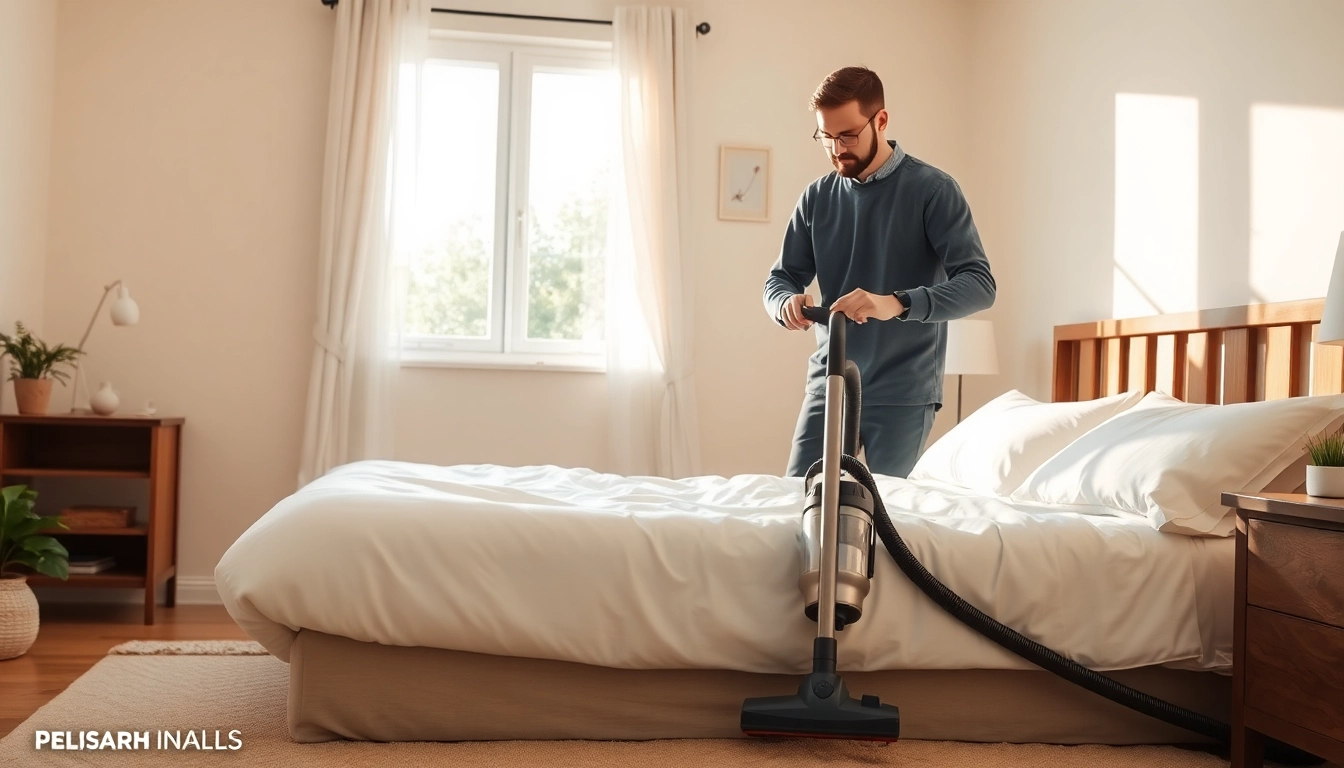
Regularly vacuuming can significantly reduce bed bug populations. Focus on seams and hidden areas such as under furniture and along baseboards. Use a brush attachment to dislodge bugs before vacuuming them up. After vacuuming, ensure to dispose of your vacuum bag or clean the canister outside immediately to prevent any lingering eggs or bugs from re-entering your home.
When to Call the Professionals
If you find yourself facing a bed bug infestation, and DIY methods fail to eradicate the problem, it may be time to enlist professional help. Experts can assess the extent of the infestation, determine the most appropriate treatment, and offer ongoing support to ensure your home remains pest-free.
Frequently Asked Questions About Bed Bug Treatment
How Fast Can Bed Bugs Be Eradicated?
Depending on the infestation's severity, total eradication can take from a few weeks up to several months. Multiple treatments are often necessary, especially for severe infestations.
What Should I Do After Treatment?
After treatment, continue monitoring for activity, vacuum regularly, and maintain cleanliness to reduce the chances of reinfestation. Follow any specific guidelines given by your pest control provider.
How to Prepare for Bed Bug Treatment?
Preparation often involves decluttering, washing bedding and clothing in hot water, and moving furniture away from walls to allow access where bed bugs hide.
Can I Treat Bed Bugs on My Own?
DIY methods can be useful for minor infestations, but significant issues may require professional intervention to ensure complete eradication. Expertise in identifying and treating infestations is critical.
What Are the Costs of Bed Bug Treatment?
The cost for bed bug treatment varies depending on factors like infestation severity and treatment method. On average, homeowners can expect to pay between $300 to $1,500 for effective eradication services.