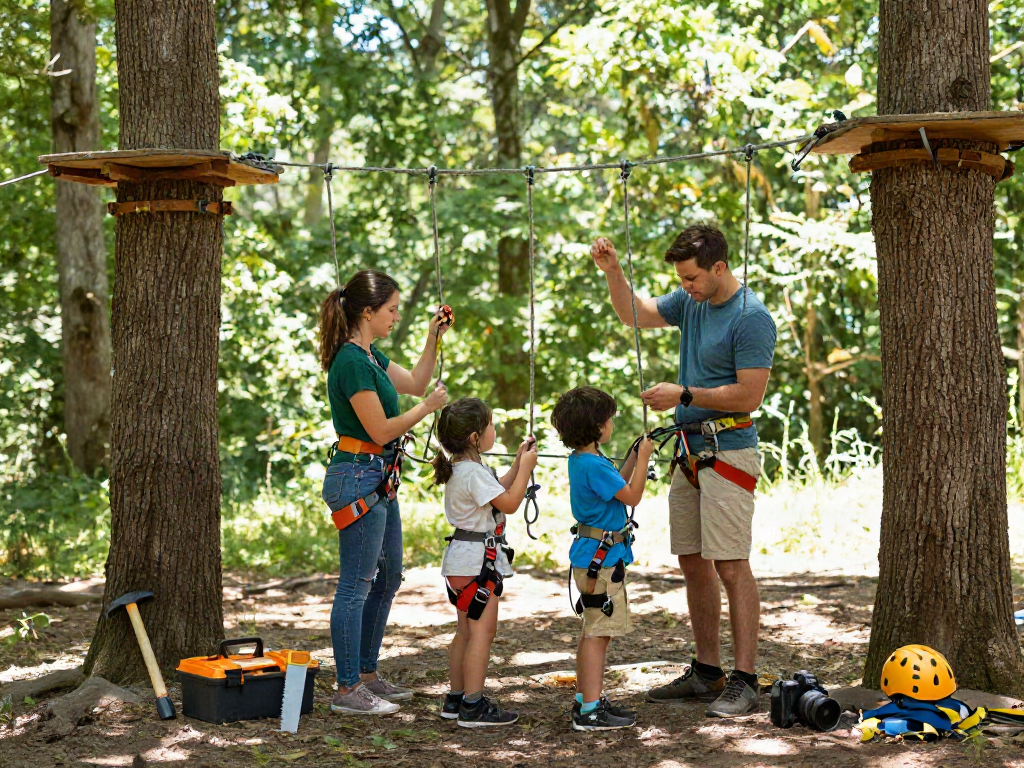
Why Choose Screen-Free Toys?
The Importance of Screen-Free Play
In today's digital age, children are often surrounded by screens. From tablets to televisions, children engage with technology from a very young age. While technology can be an educational tool, excessive screen time can have detrimental effects on a child's development. This is where screen-free play comes into focus. Engaging in play without screens enhances creativity, critical thinking, and social interaction. Screen-free toys provide an opportunity for tactile exploration and can promote physical activity, social skills, and emotional development.
Benefits of Fine Motor Skill Development
Fine motor skills are the small movements of the hands and fingers, crucial for everyday tasks. Activities such as building, threading, and crafting with screen-free toys help strengthen these skills. For example, activities that require manipulation of small blocks or arts and crafts materials improve dexterity and hand-eye coordination. Children practicing these skills not only enhance their writing abilities but also gain confidence in their physical capabilities. Furthermore, as they master these skills, they can handle more complex tasks, fostering a sense of achievement and encouraging independence.
Encouraging Imagination and Creativity
Screen-free toys, such as building sets and art supplies, ignite a child’s imagination. When children are engaged in open-ended play, they become inventors of their own worlds. For instance, a simple set of blocks can turn into a castle, a spaceship, or a home, depending on a child's creativity. This type of imaginative play allows children to express themselves, solve problems, and think critically. Providing them with opportunities to create with their hands is vital for cognitive development and emotional health, as they navigate their thoughts and feelings while immersed in their creations.
Top Picks for Screen-Free Toys
Building and Construction Sets
Building sets are a staple in screen-free toys, engaging children’s creativity while enhancing their fine motor skills. Popular options include magnetic tiles, wooden blocks, and interlocking building kits. These toys encourage children to experiment with structure and balance by allowing them to create various shapes and designs. They promote spatial awareness and problem-solving skills as children navigate the challenges of building. Engaging in collaborative building projects with peers or family members can also enhance social interactions and team-building skills.
Arts and Crafts Supplies
Arts and crafts are fundamental to fostering creativity and self-expression. Paints, crayons, clay, and scrapbooking materials enable children to transform their ideas into tangible art. Engaging in craft activities allows for fine motor skill development as children learn to manipulate materials. Moreover, the process of creating art encourages emotional expression and mindfulness, offering a therapeutic outlet for feelings. Parents can encourage these activities by providing various materials and creating art corners or stations where children can freely explore their artistic talents.
Interactive Board Games
Board games are exceptional tools for promoting social interaction and strategic thinking. They offer a wonderful opportunity for families to bond while developing essential skills. Cooperative and competitive games can teach children how to work as part of a team, make decisions, and respect rules. Choosing games that cater to varying age groups ensures all family members can partake. Games that require counting, strategy, or wordplay can also enhance cognitive abilities while ensuring a fun and engaging time without screens. Additionally, they foster patience and perseverance, vital traits for children's development.
How to Support Children's Playtime
Creating a Dedicated Play Space
Having a designated area for play encourages children to engage in screen-free activities regularly. This space should be inviting and stocked with a variety of toys that promote different types of play, from construction to pretend play. Incorporating comfortable seating, good lighting, and accessible supplies makes it easy for children to jump into imaginative play. A dedicated play space can stimulate creativity while reducing clutter in other areas of the home, allowing children to focus on their activities without distractions.
Setting Time Limits on Screen Use
To promote healthy play habits, it's crucial to set specific screen time limits. Establishing guidelines can help balance screen use with screen-free play. Experts recommend consistent limits based on the child's age, personality, and activity levels. This can nurture a healthier relationship with technology and opens up more opportunities for children to engage in meaningful, play-based learning. Parents can model good behavior by participating in play or engaging in other non-digital activities, reinforcing the importance of screen-free time.
Engaging in Play Together
Participating in play alongside children enhances their enjoyment and can strengthen relationships. Engaging in activities such as arts and crafts or playing board games allows parents to observe their child's interests while encouraging collaboration and communication. This shared playtime not only makes children feel valued but also promotes social and emotional development. In addition, adults can offer strategies, guidance, or new ideas that further enrich the play experience, making it a more fulfilling environment for exploration and growth.

Challenges Parents Face with Screen-Free Play
Overcoming Resistance to Non-Digital Play
One common challenge parents face is children's reluctance to engage in non-digital play. Many children may initially prefer screens due to their immediate gratification. To overcome this, parents can introduce exciting activities that capture children's interest, such as themed play days or challenges that incorporate fun elements. Additionally, emphasizing the benefits of screen-free play, such as improved creativity or social connections, can help children appreciate these alternatives. Celebrating their achievements in non-digital play can also foster a positive association with these activities.
Finding Suitable Toys for Different Ages
Selecting appropriate toys for different age groups is vital to ensure engaging and developmentally appropriate play experiences. Parents should consider a child’s developmental milestones and interests when choosing toys. For younger children, opt for toys that focus on basic skills like stacking and sorting, while older children may enjoy more complex construction sets or strategy games. Researching products with age recommendations and reviews can help parents make informed decisions. Creating a diverse toy collection promotes varied experiences and mastery of new skills.
Balancing Screen and Play Time
Finding an effective balance between screen time and play can be challenging for parents. It requires conscious effort and strategic planning. Establishing daily routines that integrate both activities can be beneficial. For instance, set specific intervals for screen time while ensuring ample opportunities for screen-free play. Additionally, families can designate certain days of the week as "screen-free days" to encourage more engagement with toys. This allows children to explore their interests more deeply while fostering independence and creativity.
Frequently Asked Questions
What are the benefits of screen-free toys?
Screen-free toys enhance creativity, improve focus, and develop fine motor skills in children, leading to better cognitive and emotional development.
How can I choose the right toys for my child?
Select toys based on your child's age, interests, and developmental needs to ensure engaging and meaningful play experiences tailored to their growth.
What activities can I do with screen-free toys?
Activities include building structures, engaging in arts and crafts, imaginative role-play, and playing interactive games that promote learning and creativity.
How do I encourage kids to play without screens?
Incorporate a variety of toys, facilitate group play, arrange themed activities, and reduce screen exposure to naturally promote exploration and creativity.
Are screen-free toys suitable for all ages?
Yes, there are numerous options tailored to various age groups, ensuring that children of all developmental stages remain engaged in fun and learning.
For more information and inspiration on screen-free play options, visit the website.